InteriorSpatial

On the work
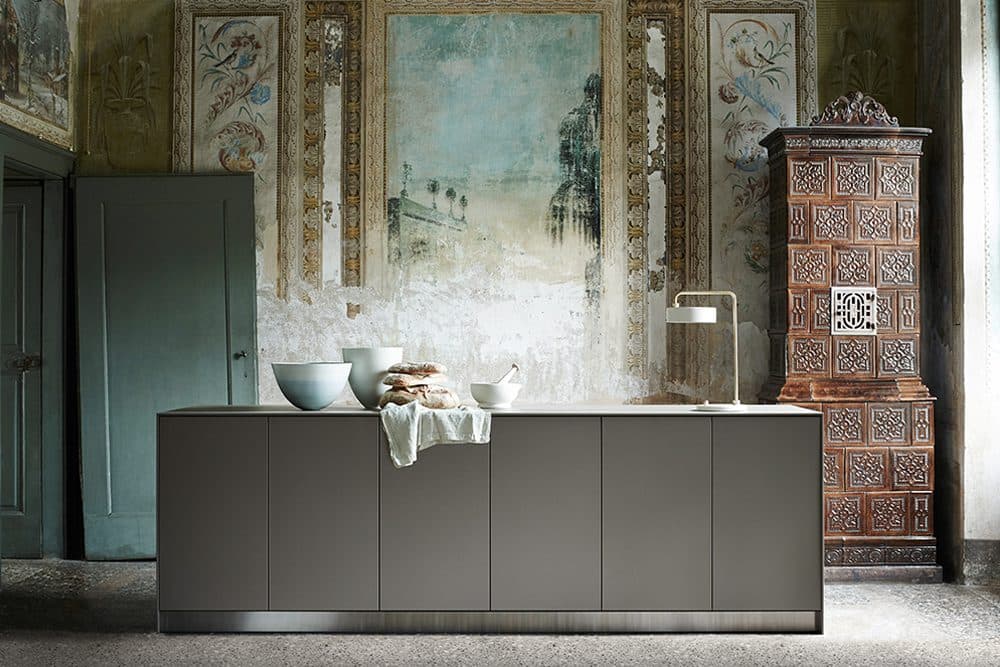
A room is read before it is used — history and material decide how it is felt.
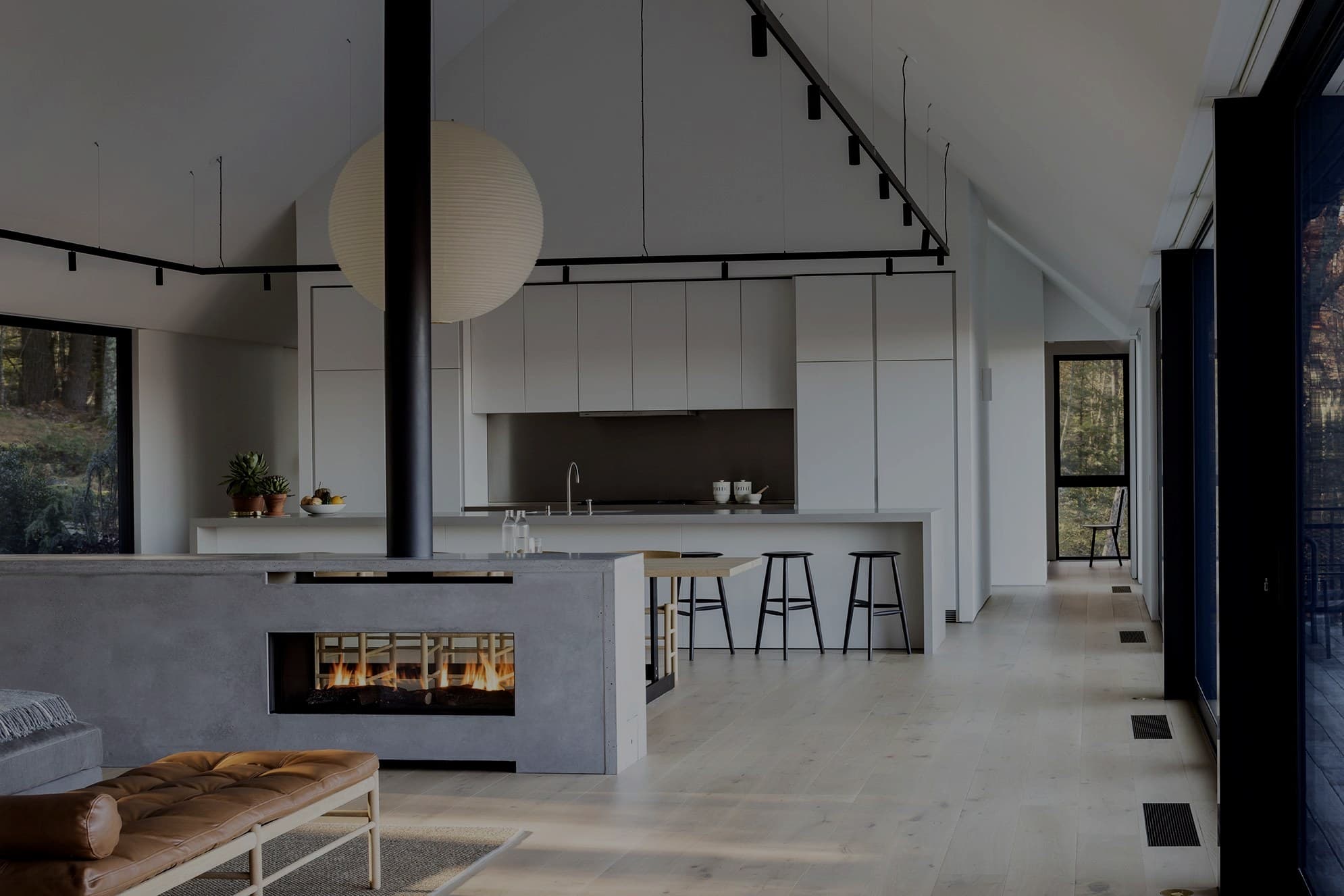
The practice runs from high-end residential interiors and kitchens — including bulthaup work in New York — through to hospitality concept renderings, carried from first concept to installation. AutoCAD, Revit, and V-Ray are the instruments; proportion, light, threshold, and finish are the argument.
Research comes first. How a material was used, where a form came from, what a space once meant — that history shapes the plan before a single line is drawn, so the finished room reads as considered rather than merely styled.
- Concept to installation
- AutoCAD / Revit / V-Ray
- Material & finish specification
- Hospitality concept renderings
Spatial Method
That same intelligence moves across three uses of space: daily living, guest experience, and an exhibition route.
01
Domestic Systems
Residential kitchens and interiors: proportion, material choices, documentation, and the practical flow of daily use.
02
Hospitality Atmosphere
Reception, bar, restaurant, lobby, and guest-room concepts shaped through light, threshold, and material contrast.
03
Exhibition Narrative
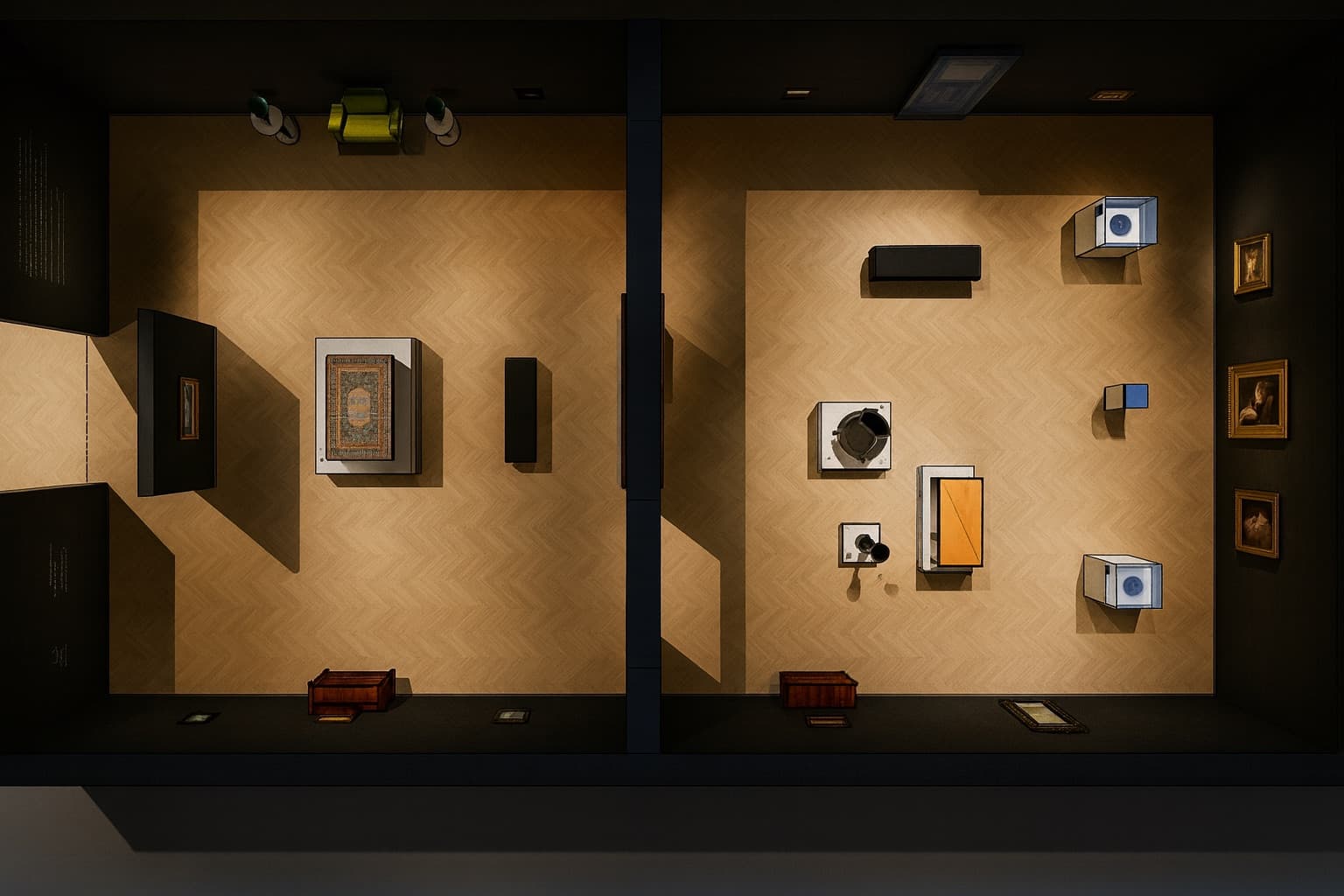
Research, objects, signage, and visitor path organized into a two-room exhibition proposal.
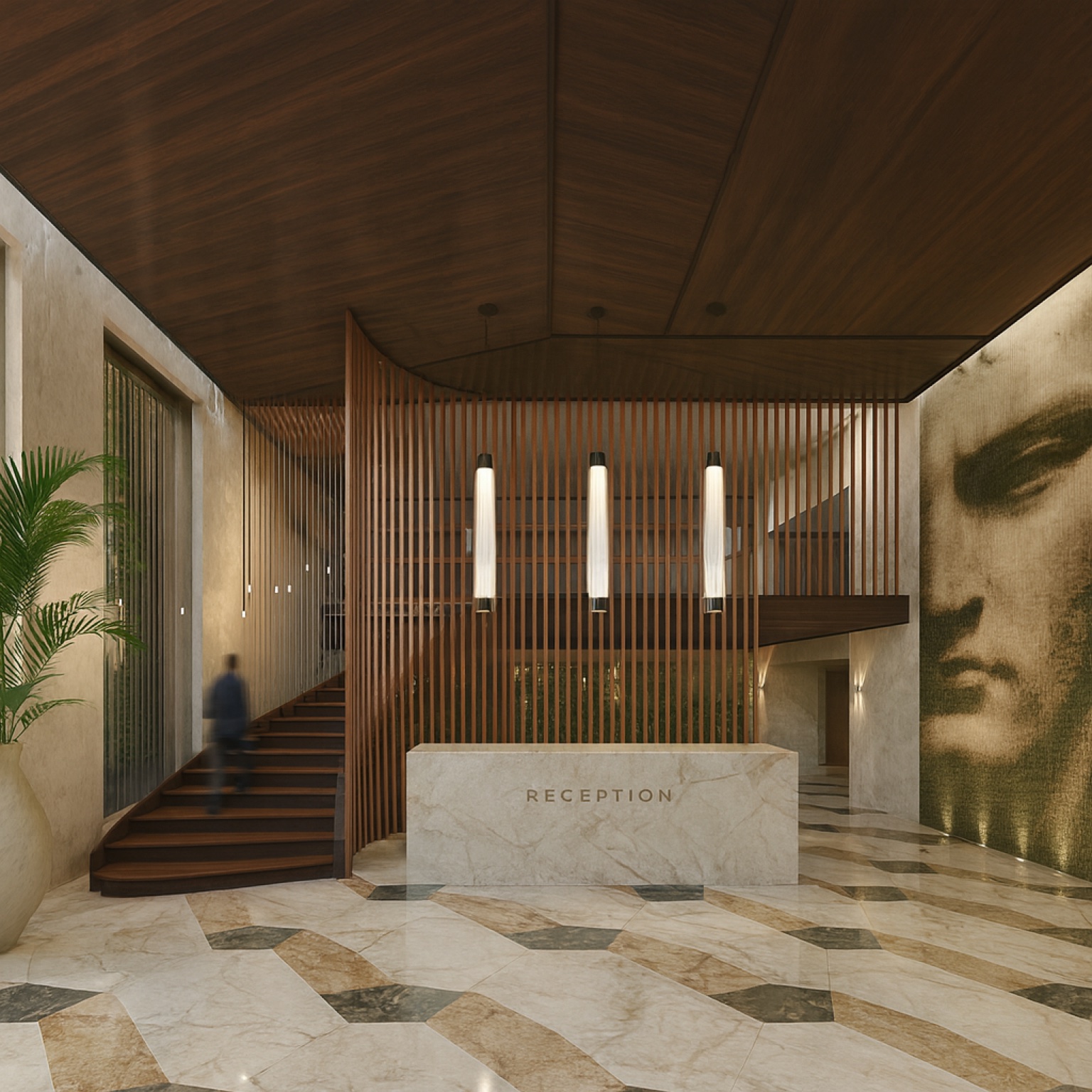
Hospitality Renderings
- Scope
- Reception, bar, restaurant, lobby, and room concepts
- Evidence
- Five hospitality typologies developed as concept visualizations.
Immersive environments where material history and contemporary luxury converge.
View Work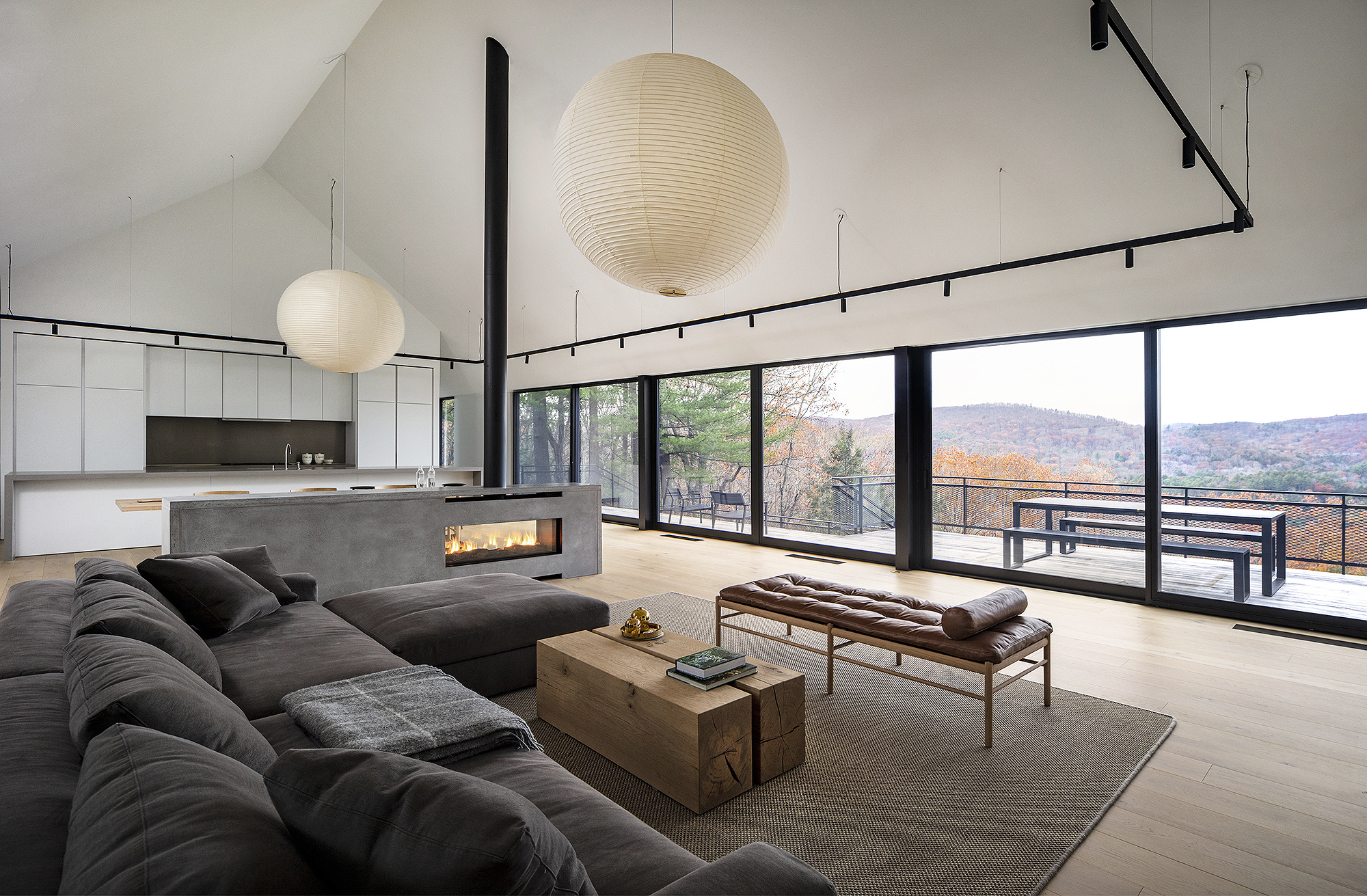
Bulthaup
- Scope
- High-end kitchen/interior design & project coordination · New York
- Evidence
- Contribution across concept, AutoCAD documentation, coordination, and installation.
Each kitchen becomes the spatial and emotional center of the home.
View WorkThe Plumstead Hoard
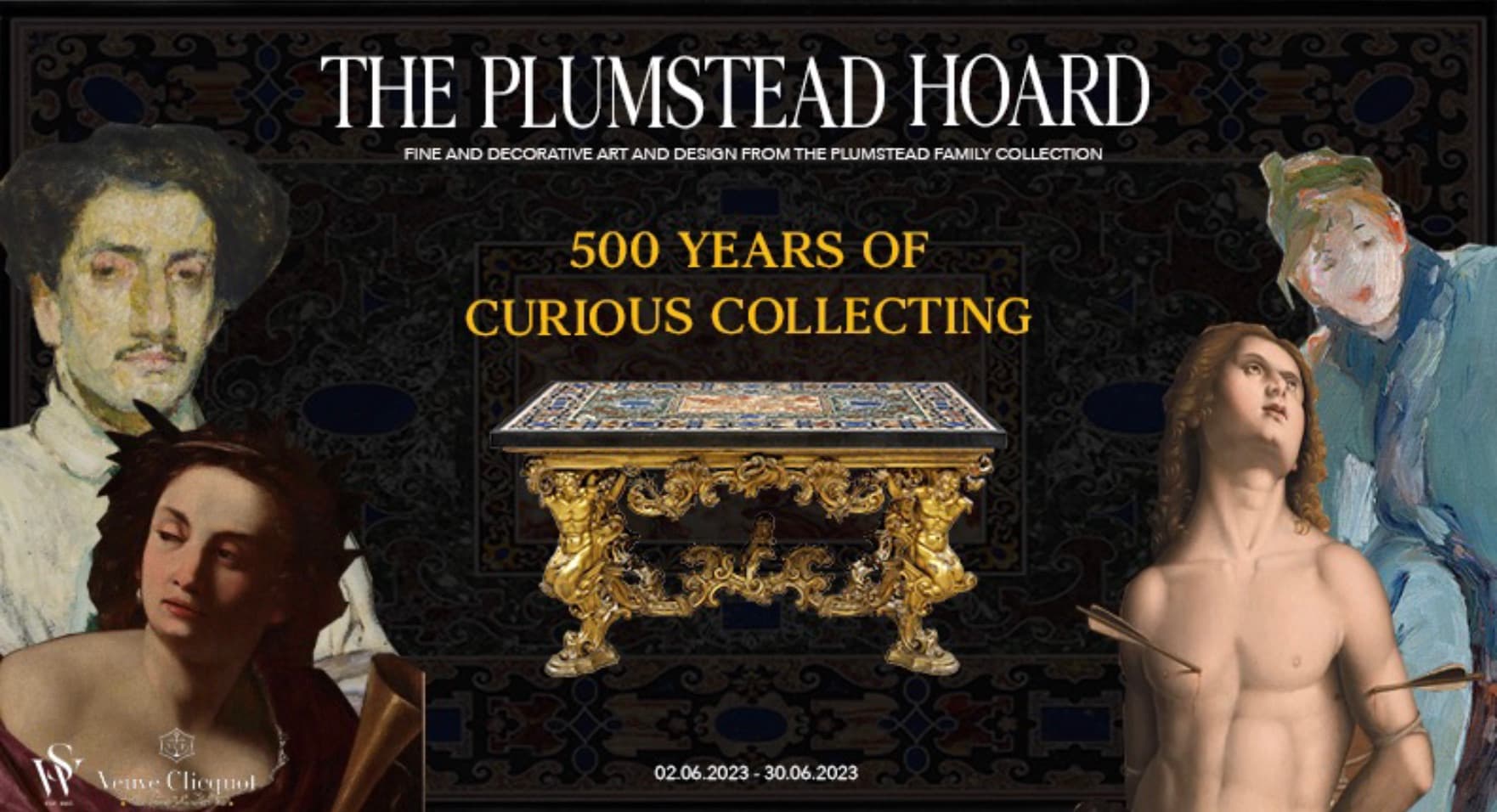
500 Years of Curious Collecting
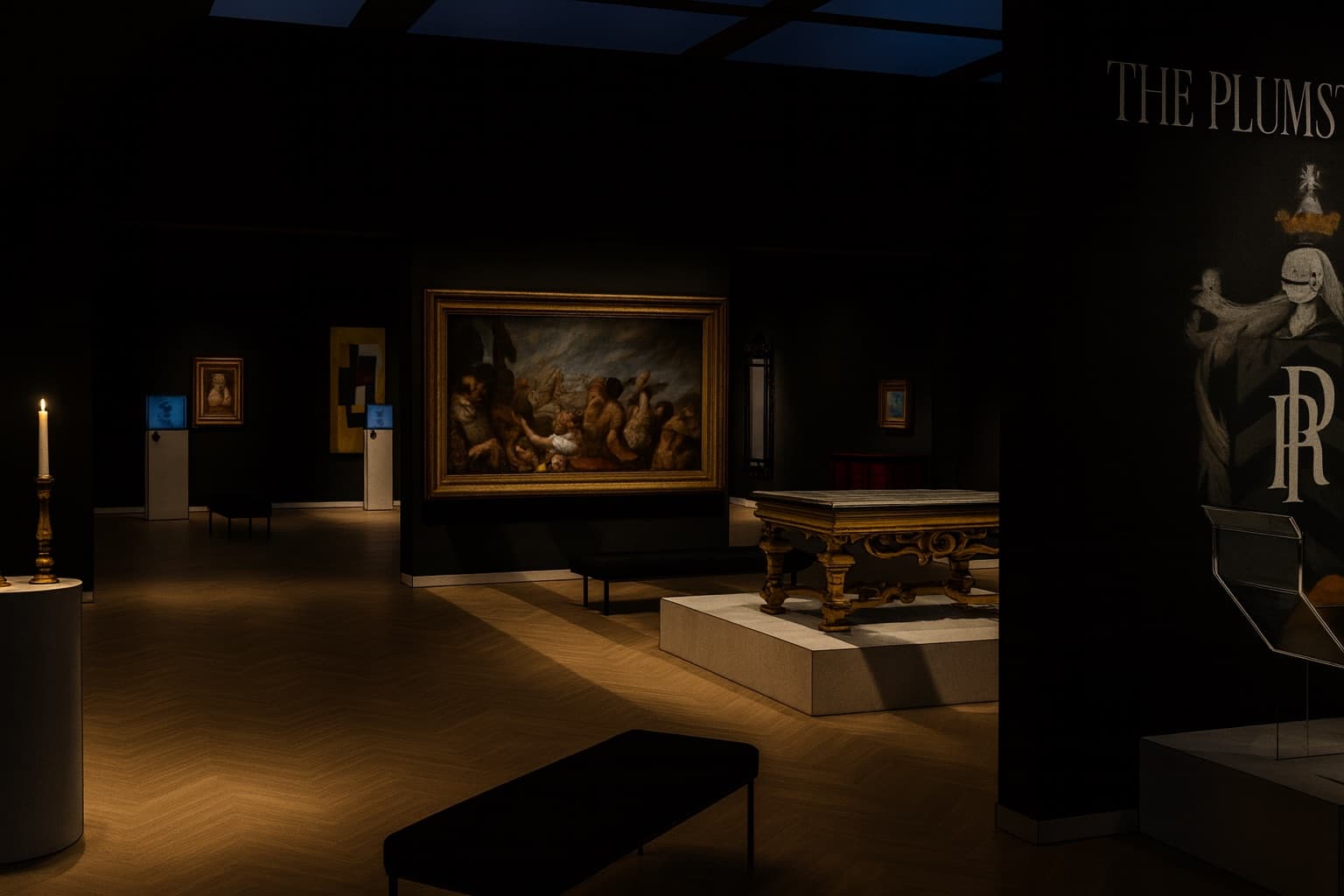
A selling exhibition proposal for Sotheby's Institute of Art. The project organizes 28 objects and 2 loans into a two-room visitor route, supported by exhibition identity, signage, catalogue, banners, and a social campaign.
Concept / proposal visualization - not documentation of a built exhibition. Academic project, Sotheby's Institute of Art.
Context
Sotheby's Institute of Art - Navigating the Art World
Format
Selling exhibition proposal
Collection
28 objects + 2 loans across four collecting categories
Rooms
Two linked rooms with a circular visitor path
What Plumstead Adds
The exhibition work sits inside Interior Design because it uses the same skills at a larger scale: planning a visitor route, arranging objects in rooms, and using graphic identity to support the exhibition route.
- Research-led concept development
- Spatial storytelling and installation planning
- Exhibition identity, signage, catalogue, and banner system
- Marketing, advertising, social, and event strategy